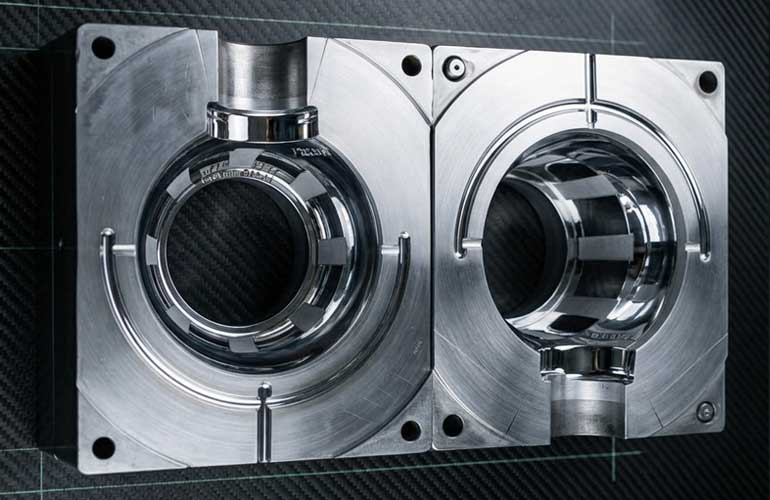
The Ultimate Guide to Plastic Die and Mould Photo Etching
In the highly competitive world of plastics manufacturing, the visual appeal and tactile feel of a product can make or break its success. Plastic Die & Mould Photo Etching—also frequently referred to as chemical texturing, mold texturing, or photo engraving—is the industry-standard process used to create intricate textures, patterns, and matte finishes directly onto the steel cavities of injection molds.
By utilizing advanced photographic and chemical milling techniques, this process transforms flat, sterile plastic parts into premium, high-value products with leather grains, geometric patterns, or micro-textures.
What is Plastic Die & Mould Photo Etching?
Plastic die and mould photo etching is a precise chemical erosion process. Instead of cutting the metal mechanically, a photographic film of the desired pattern is transferred onto the curved or flat surfaces of the mold cavity using a light-sensitive photoresist.
Once the pattern is masked and protected, the exposed steel is treated with a controlled chemical acid bath. The acid selectively etches away the unprotected metal, leaving behind a perfectly mirrored, flawless texture that is transferred onto every single plastic part during the injection molding process.
Key Benefits of Mould Photo Etching
Investing in professional photo etching for your dies and moulds offers massive advantages over traditional mechanical engraving or leaving surfaces gloss-polished:
Flawless Aesthetics & Branding: From luxury automotive dashboards with synthetic leather grains to sleek, matte finishes on consumer electronics, photo etching elevates the perceived value of your product.
Hiding Molding Imperfections: Injection molding often leaves behind unsightly defects like knit lines, sink marks, shadow marks, and minor blemishes. A textured surface brilliantly camouflages these defects, drastically reducing rejection rates.
Enhanced Functional Performance: Texturing isn’t just about looks. It improves a user’s grip, prevents scratches and scuffs during everyday wear and tear, and can even assist in light diffusion or reducing glare.
Consistency and Repeatability: Because the process relies on precise photographic transfers, the exact same texture can be replicated across multiple mold cavities, ensuring absolute brand consistency worldwide.
Cost-Effective Texturing: Photo etching can easily navigate complex 3D geometries, deep ribs, and curved profiles that would be nearly impossible or incredibly expensive to achieve with CNC machining.
Common Applications of Photo Etched Moulds
Photo etching is incredibly versatile, capable of applying thousands of unique textures to mold steels. Some of the most common applications include:
Leather & Wood Grains: Creating realistic, soft-touch organic textures for automotive interiors and high-end furniture components.
Geometric & Diamond Patterns: Adding modern, high-tech, or knurled grid textures to tool handles, electronic cases, and sports equipment.
Matte & Satin Finishes: Achieving uniform, glare-reducing micro-textures on screens, bezels, and household appliances.
Logos & Micro-Text Engraving: Etching crisp brand logos, recycling symbols, part numbers, and safety warnings directly into the tool.
Industries We Serve
Precision mould texturing is crucial across a vast array of manufacturing sectors:
Automotive
Pharmaceutical
Consumer Goods
Medical Devices
Home Appliances
Packaging
Questions? You’re covered
01. What types of mold steel are best suited for photo etching?
High-quality, homogenous tool steels like P20, H13, NAK80, and S136 are ideal for photo etching. Steels with high purity and minimal impurities ensure a uniform chemical reaction, resulting in a consistent, flawless texture depth.
02. Can photo etching be done on welded or repaired mold areas?
Yes, but it requires extreme care. The welding rod used must match the base mold steel perfectly. Differences in chemical composition or hardness between the weld and the base metal can cause the acid to etch at different rates, potentially creating a visible seam line.
03. How does texturing affect the draft angle of the mold?
Texturing adds depth to the mold surface, which increases friction during part ejection. As a general rule of thumb, you need to add an extra 1° to 1.5° of draft angle per 0.02mm (0.001 inches) of texture depth to prevent scuffing or drag marks when pulling the plastic part out of the mold.
04. Is it possible to modify or repair a texture after it has been etched?
Yes. If a texture gets damaged or needs alternation, the old texture can be gloss-polished out, and the tool can be re-etched. Minor localized damages can also be touched up by skilled technicians using manual masking and etching techniques.
05. How long does the photo etching process typically take?
Depending on the complexity of the pattern, the size of the mold, and the amount of intricate hand-masking required for shut-off areas, the process can take anywhere from a few days to a week.