Narayan Industries

Die & Mould Diamond Polish

Die & Mould Diamond Polish

Premium Plastic Die & Mould Diamond Polishing Services

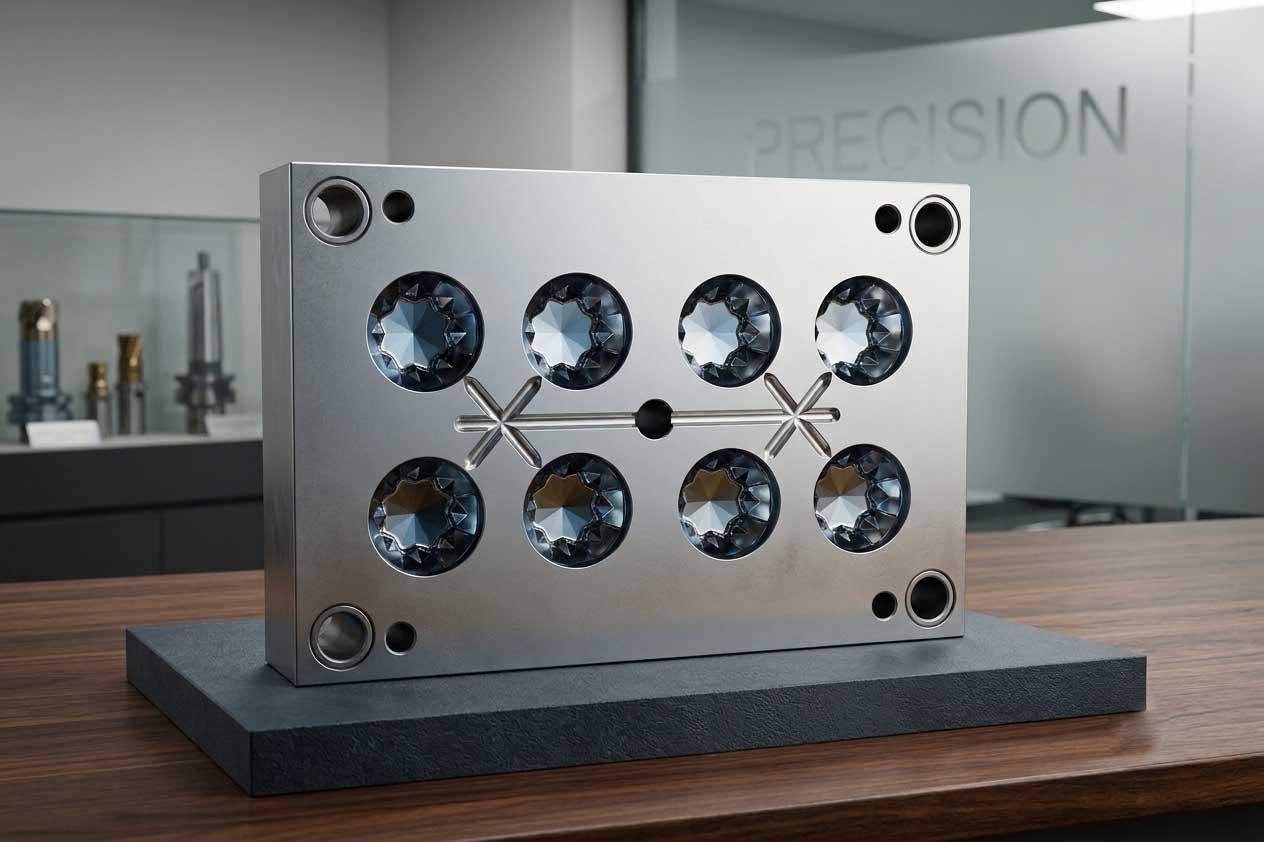
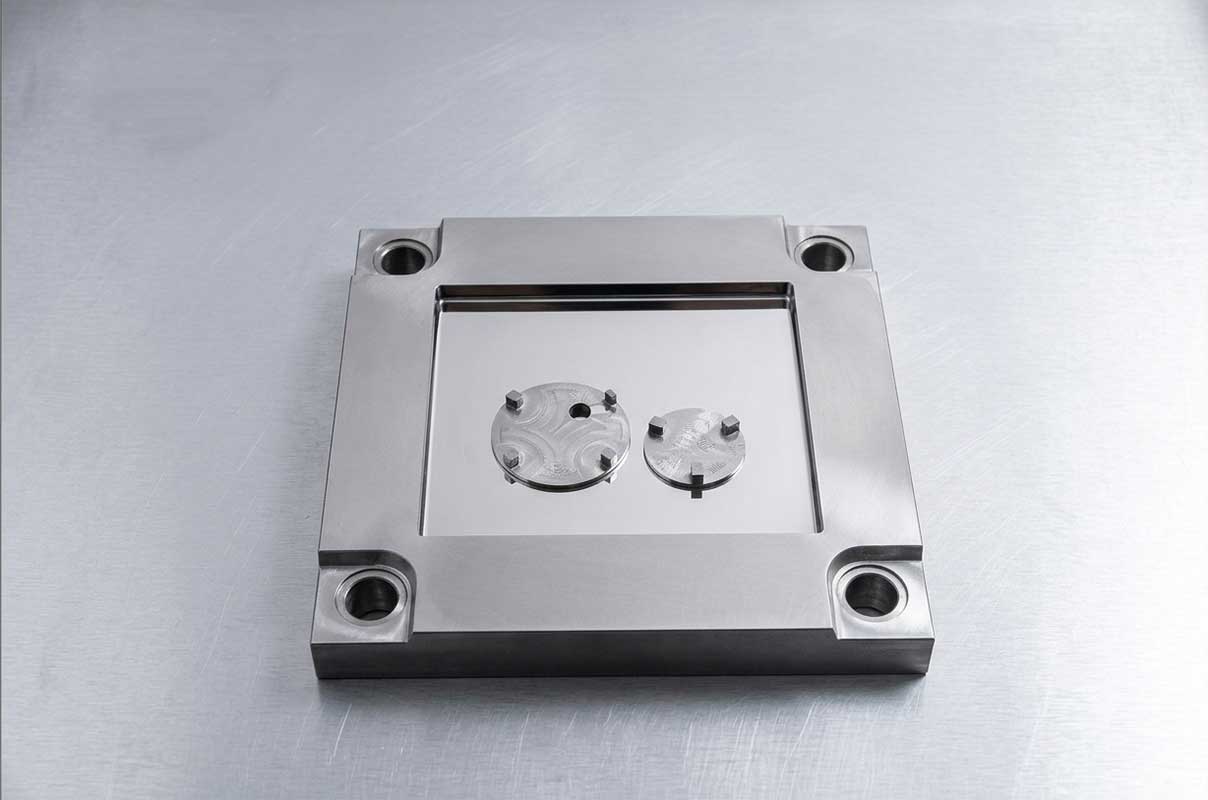
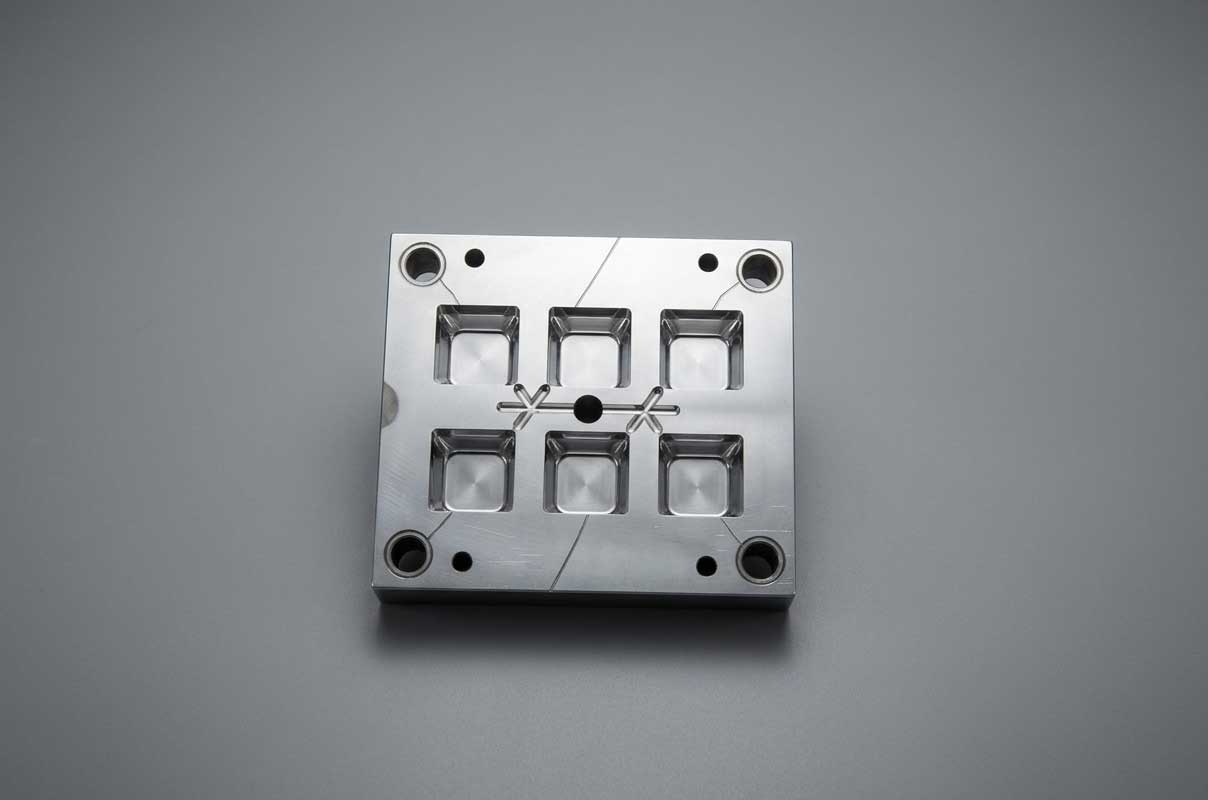
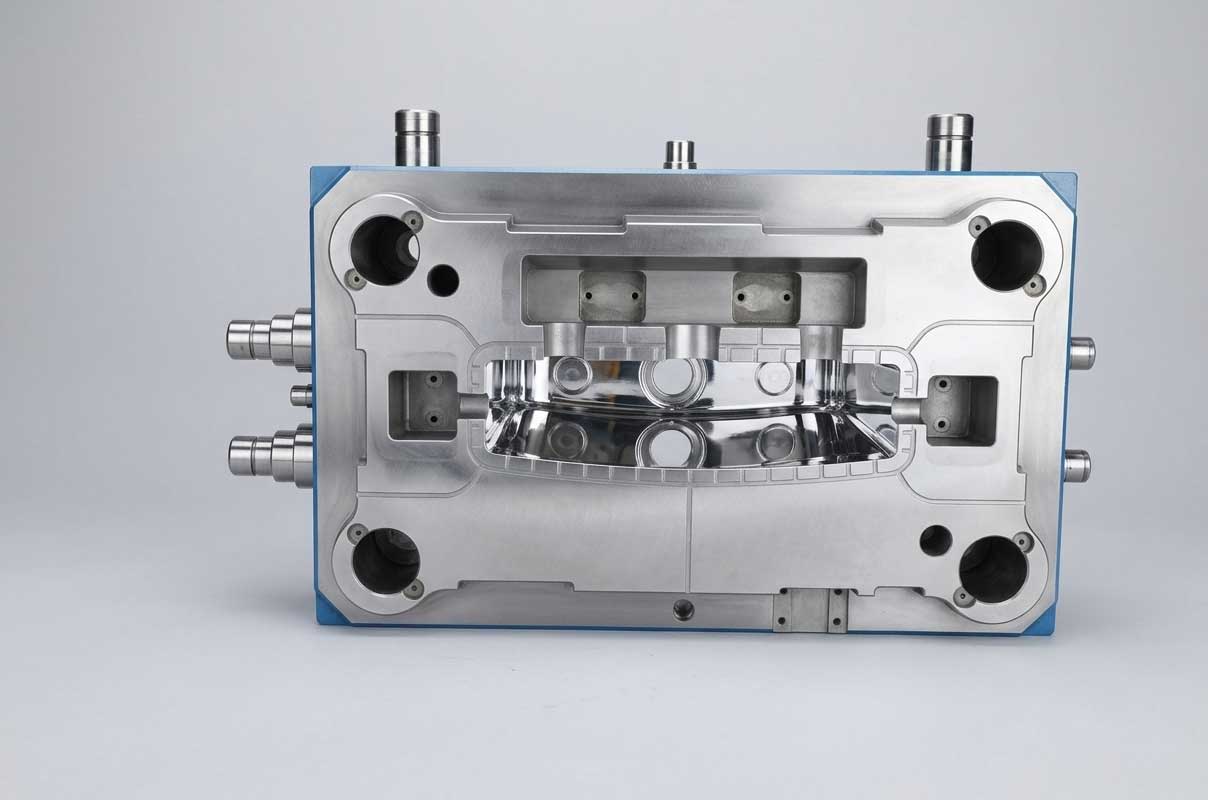
In plastic injection molding, the quality of your tool directly dictates the quality of your final product. Plastic Die & Mould Diamond Polish is the industry gold standard for achieving high-precision, flawless, and ultra-glossy finishes on mold cavities and cores.

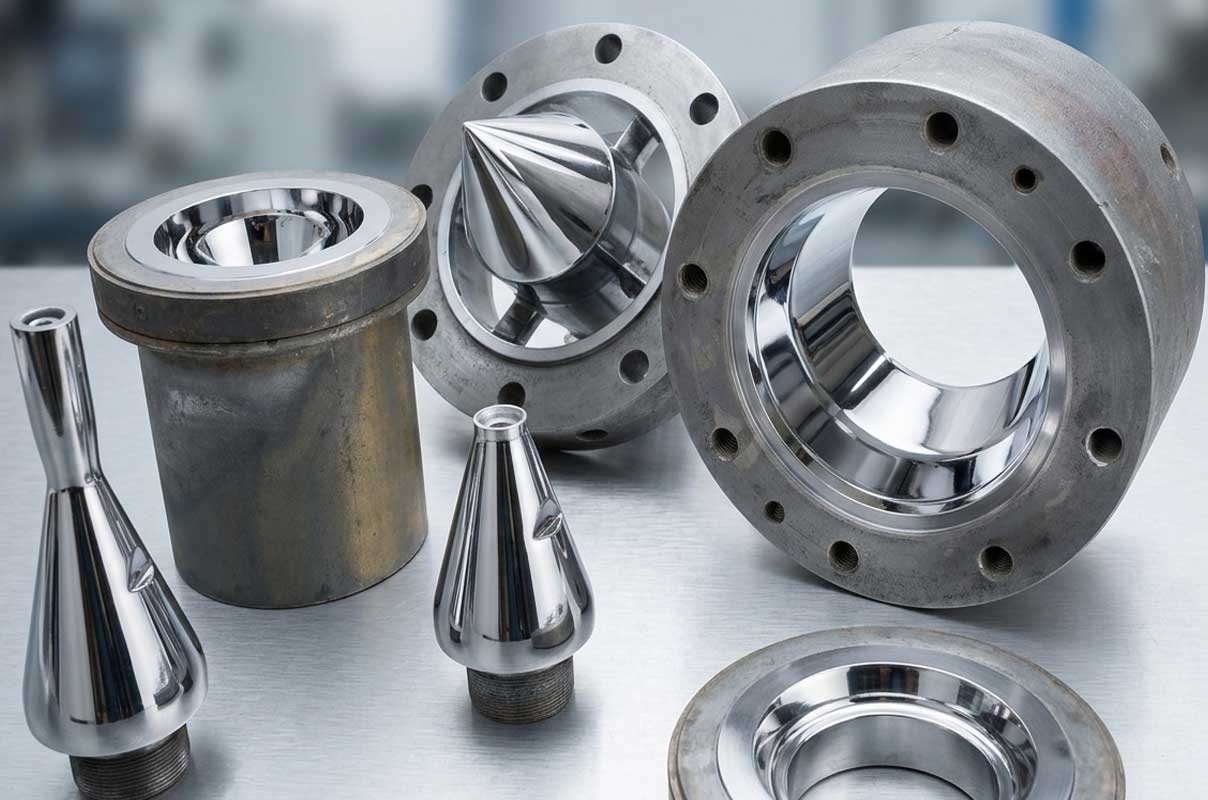
By utilizing progressively finer grades of diamond paste, this specialized surface finishing technique eliminates microscopic imperfections, machining lines, and EDM (Electrical Discharge Machining) scales. The result is a true optical mirror finish that improves both the aesthetics and operational efficiency of your manufacturing process.

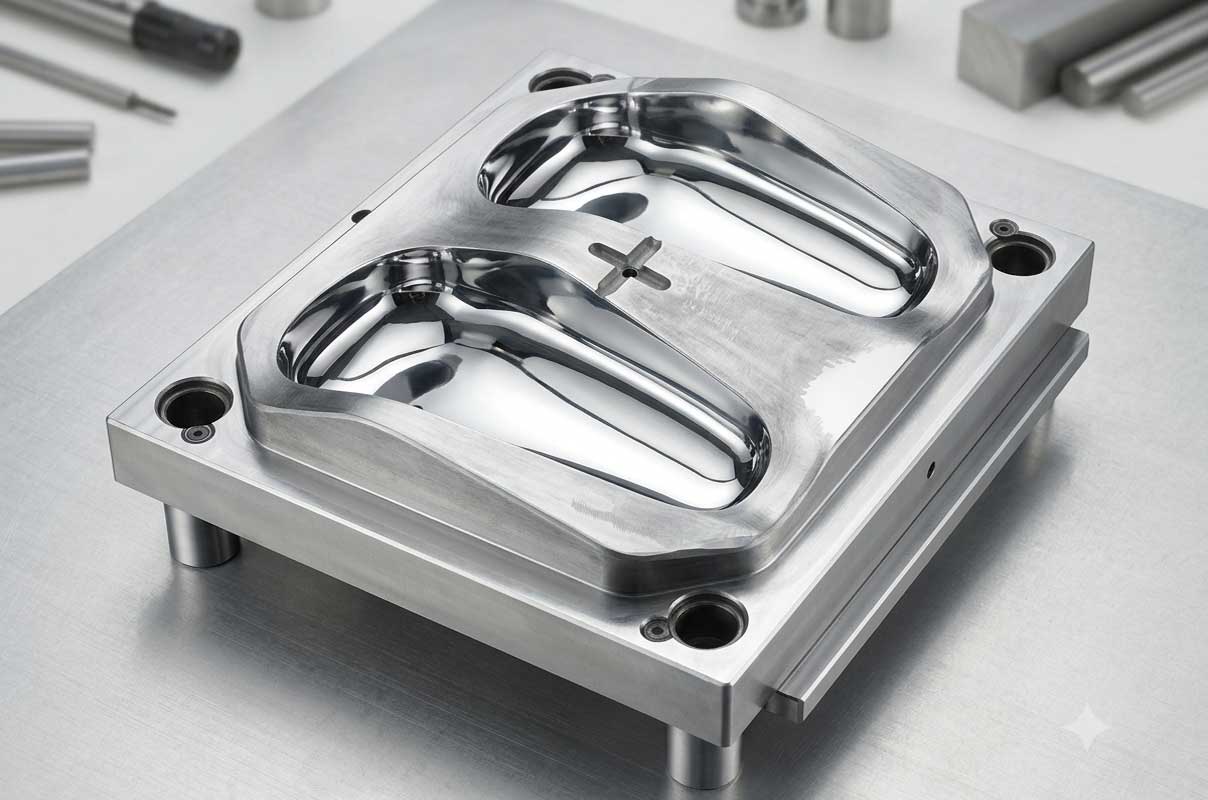
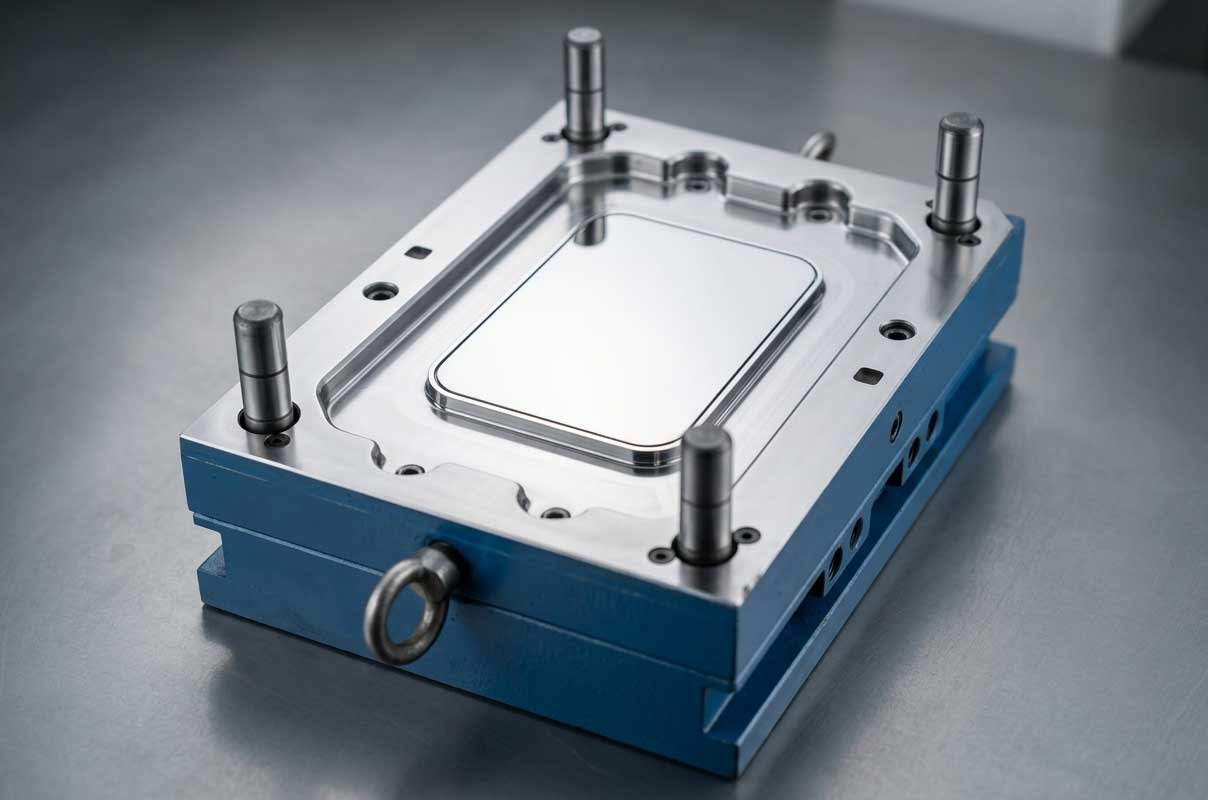
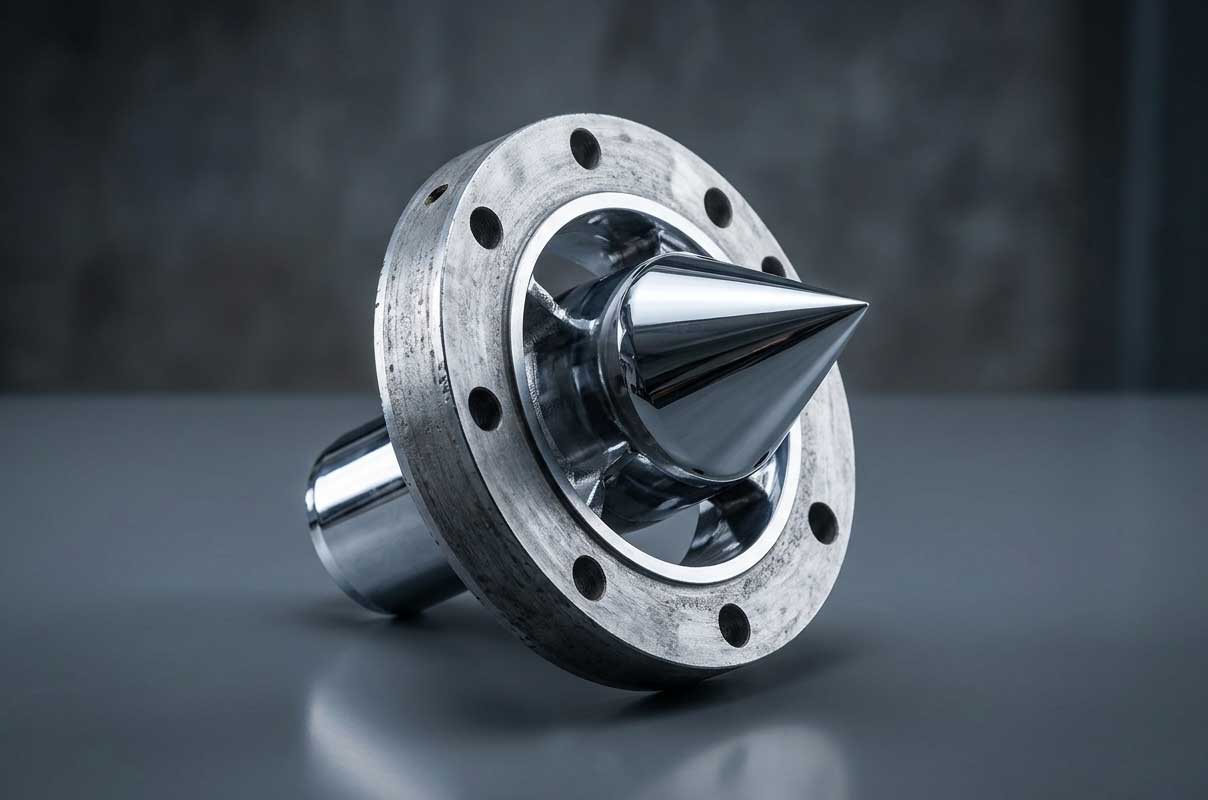
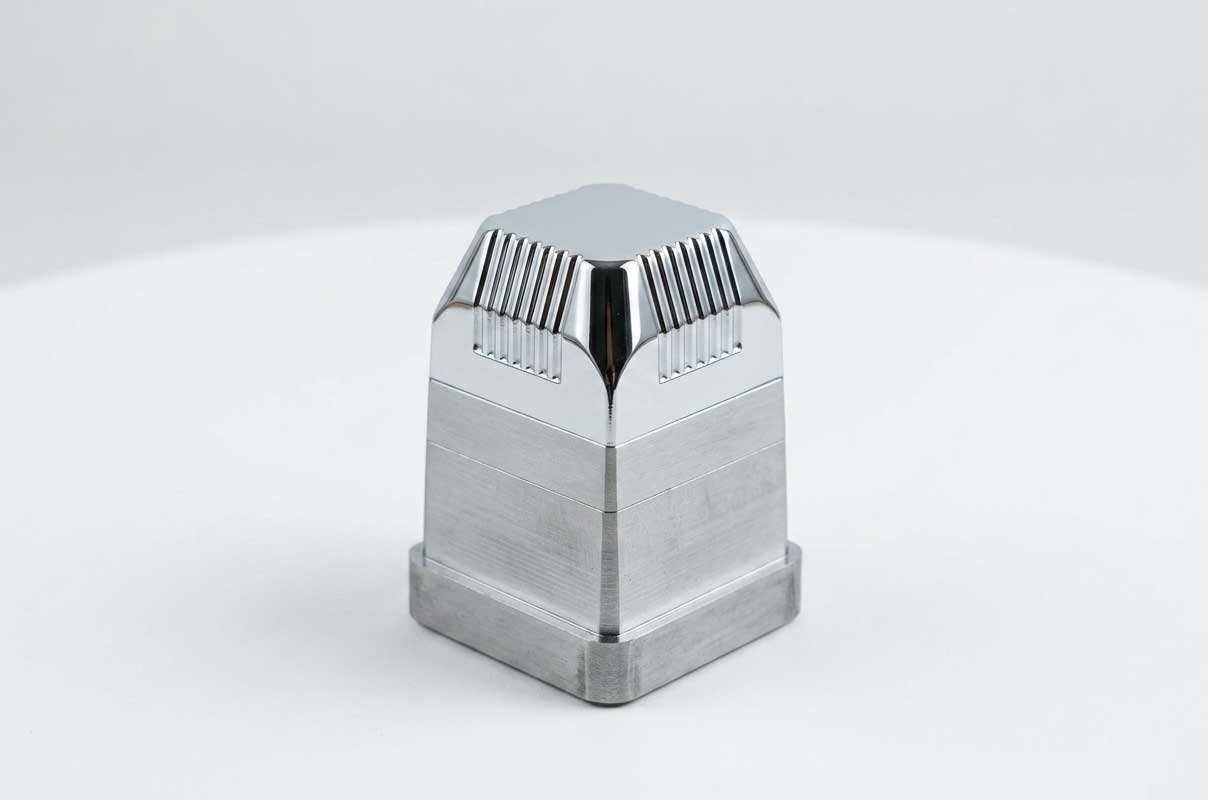
Visual Showcase : Plastic Die & Mould Diamond Polishing

Key Benefits of Diamond Polishing for Plastic Moulds

Investing in professional diamond polishing provides significant performance and financial advantages across your production lifecycle:

  • Flawless Surface Quality: Achieves SPI (Society of the Plastics Industry) A-1, A-2, and A-3 finishes, ensuring high gloss, optical clarity, and zero cosmetic defects on plastic parts.
  • Effortless Part Ejection: Microscopic scratches can cause plastic to grip the mold steel. A diamond-polished mirror finish minimizes surface friction, allowing molded parts to release cleanly without drag marks or sticking.
  • Extended Tool Lifespan: Removing surface stress concentrations and microscopic pits prevents premature mold wear, corrosive buildup, and cracking under high injection pressures.
  • Reduced Production Cycle Times: Smoother material flow and faster, trouble-free part release mean shorter cycle times and higher hourly yields.
  • Minimized Maintenance Downtime: High-polish surfaces resist plastic residue and gassing buildup, reducing the frequency of required mold tear-downs and cleanings.

Common Applications

Diamond polishing is essential for any plastic component where visual perfection or precise tolerances are required.

  • Clear & Optical Components: Lenses, light guides, instrument clusters, and transparent housings where any internal defect would scatter light.
  • High-Gloss Consumer Electronics: Cell phone casings, laptop shells, remote controls, and premium audio equipment.
  • Cosmetic Packaging: Luxury perfume caps, lipstick tubes, makeup compacts, and high-end cream jars.
  • Medical & Diagnostic Devices: Syringes, petri dishes, fluid channels, and surgical tools requiring perfectly smooth surfaces to prevent contamination.
  • Automotive Trim: High-gloss interior bezels, exterior light covers, emblem backings, and dashboard accents.

Industries We Serve

Our specialized diamond polishing processes cater to demanding manufacturing sectors worldwide:

Questions? You’re covered

01. What is the difference between standard polishing and diamond polishing?

Standard polishing often uses aluminum oxide or silicon carbide abrasives, which are ideal for general smoothing. Diamond polishing uses synthetic diamond compounds that are significantly harder. This allows for precise material removal on hardened tool steels, yielding a scratch-free, high-reflectivity mirror finish (SPI-A grade) that alternative abrasives cannot replicate.

Diamond polishing is used to achieve the highest classifications set by the Society of the Plastics Industry:

  • SPI A-1: Grade #3 Diamond Buff (0.5 to 3-micron range) for a ultra-high mirror finish.
  • SPI A-2: Grade #6 Diamond Buff (3 to 6-micron range) for a high mirror finish.
  • SPI A-3: Grade #15 Diamond Buff (8 to 15-micron range) for a regular mirror finish.
When performed by skilled technicians, diamond polishing removes only a negligible, microscopic layer of steel (often measured in microns). It is designed to follow the existing geometry perfectly without rounding crisp corners or altering critical parting lines and tolerances.
While most tool steels can be polished, high-hardness steels (such as H13, S7, P20, or stainless steels like 420) respond best to diamond polishing. Steels with high cleanliness and low impurity levels are required to achieve a true, pit-free optical mirror finish.

Our Services

Download Brochures

We are always ready to help you and answer your questions